*Thaís Hiramoto
With the consequences of global warming becoming increasingly evident in our daily lives, climate issues are no longer confined to environmental concerns. They have become a major challenge for global politics and economics, involving society as a whole. Recognizing this challenge and seeking to keep the increase in the global average temperature below 2°C, nearly 200 countries signed the Paris Agreement in December 2015.
Brazil was among the signatories. As the world’s seventh-largest greenhouse gas (GHG) emitter, the country committed to reducing its emissions by 37% by 2025. According to the “Greenhouse Gas Emissions and Removals Estimates System (SEEG)”, a survey conducted by the Climate Observatory (OC), the Land Use and Forestry sector accounts for 51% of Brazil’s GHG emissions. These emissions are primarily associated with wildfires and deforestation in biomes such as the Amazon and the Cerrado.
This raises an important question: how can companies help reverse this situation? The answer is clear: they must put sustainability into practice. This means making sustainability an integral part of their business operations, engaging employees, customers, and suppliers, and aligning every stage of their processes—from raw material sourcing and production to transportation and disposal—to minimize environmental impacts. Companies must also invest in technology and training and, finally, incorporate the measurement of social and environmental outcomes into their business planning.
In addition to adopting these internal practices, private companies should establish partnerships with NGOs and research institutes that can contribute to different areas of expertise. Another important step is to seek certification from qualified organizations that can reliably verify the impact of sustainability policies and initiatives. These certifications are also valuable management tools, as they help standardize and organize business processes.
All these measures can be adopted by companies across every industry. I would now like to focus on the food industry, since the current food production model commonly practiced in Brazil also has negative consequences for biodiversity and the climate. In addition to deforestation, often seen as necessary for industry growth, the improper use of agricultural inputs harms ecosystems and human health while placing further pressure on water resources, which are often already scarce.
To address this situation, food companies need to encourage more efficient and organic production systems, make full use of certain fruits—from the pulp to the seeds, which can yield ingredients rich in flavor and nutrients—and support entrepreneurship among rural communities. They should also promote production systems that make use of forest resources while keeping forests standing or even contribute to reforestation. In this way, businesses can generate value in multiple ways while connecting global needs with consumer demand.
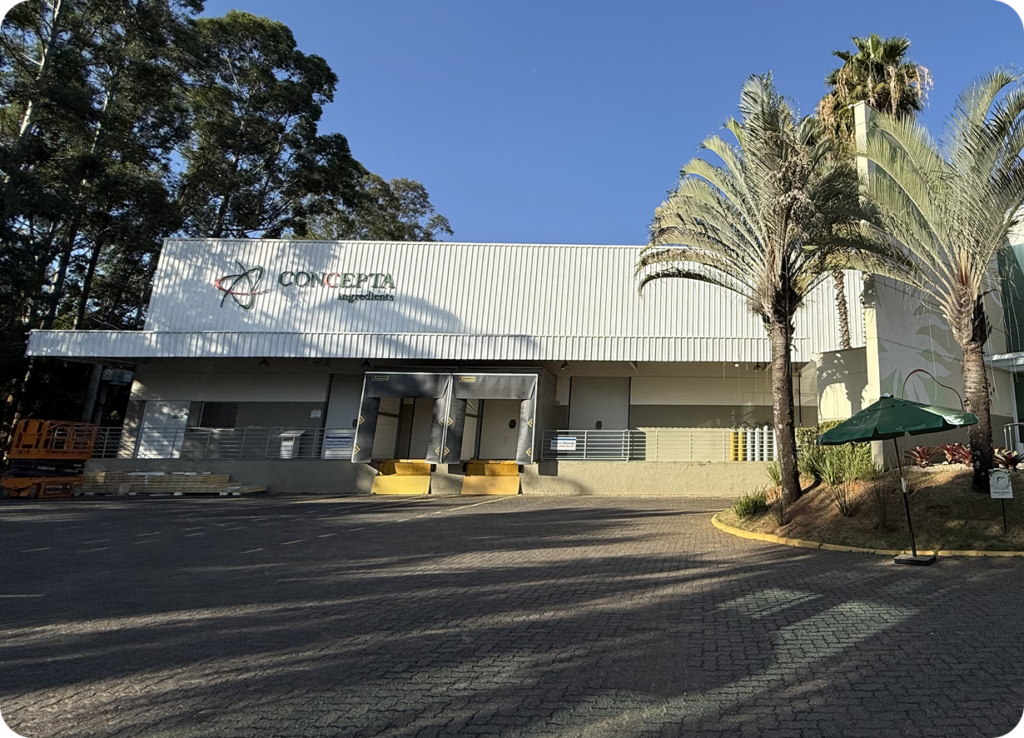
*Thaís Hiramoto is a Sustainability Specialist at Concepta Ingredients, a business unit of Sabará Group dedicated to developing natural and technology-driven solutions for the food, beverage, animal nutrition, and veterinary pharmaceutical industries.