*Thaís Hiramoto
Have you heard of the circular economy? It is a concept that brings sustainable development together with economic considerations and is inspired by economic permaculture or, more simply, the green economy. But what does this mean in practice? The model is based on the idea that everything derived from nature should return to it at the end of its useful life, with the least possible environmental impact, while improving overall production efficiency.
The circular economy can be applied across many areas of society, but the food industry plays a key role in this context. It is this sector that connects agricultural producers with end consumers, ensuring that products are used to their fullest potential—provided, of course, that circular economy principles are put into practice.
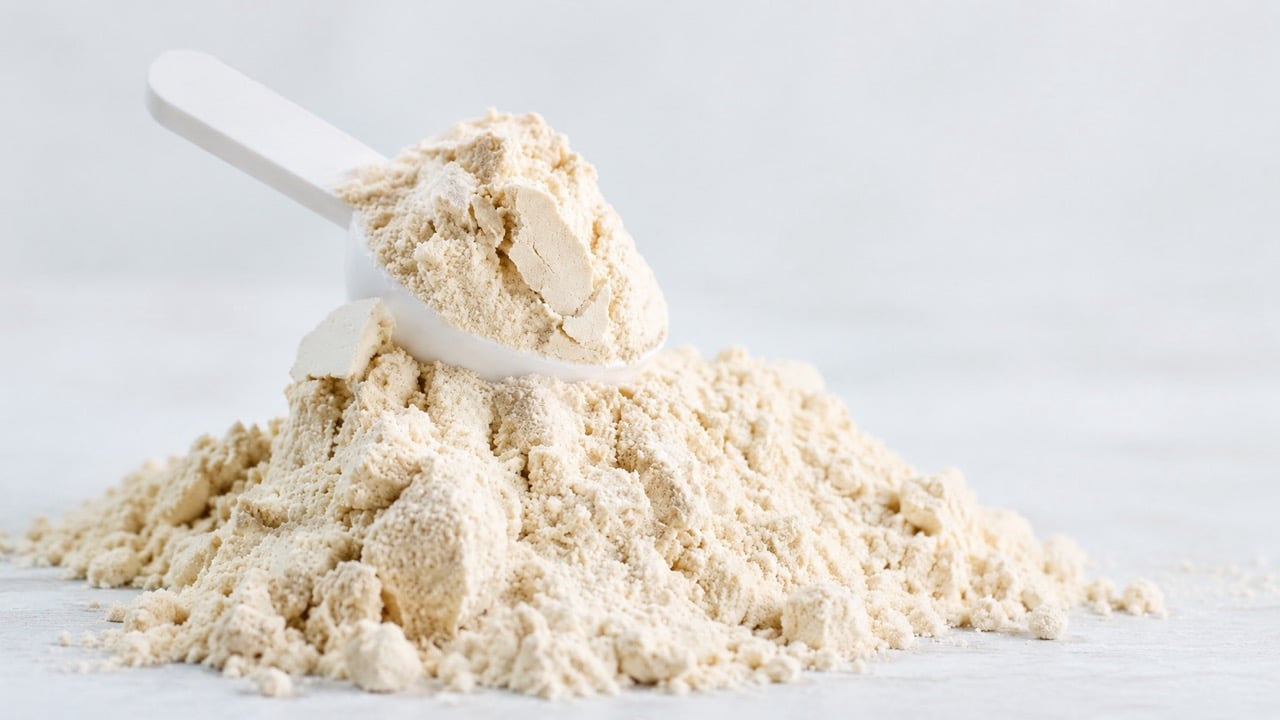
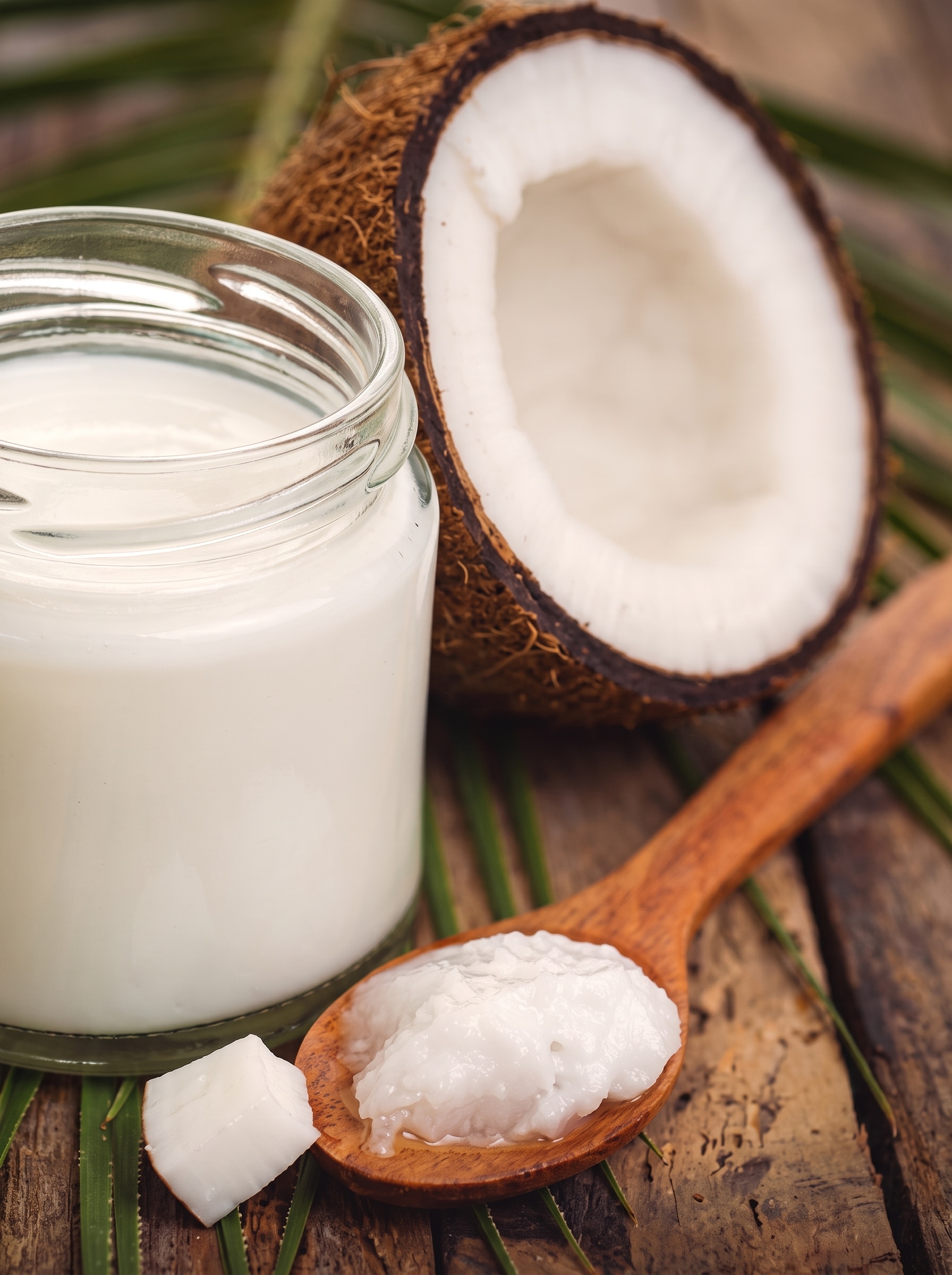
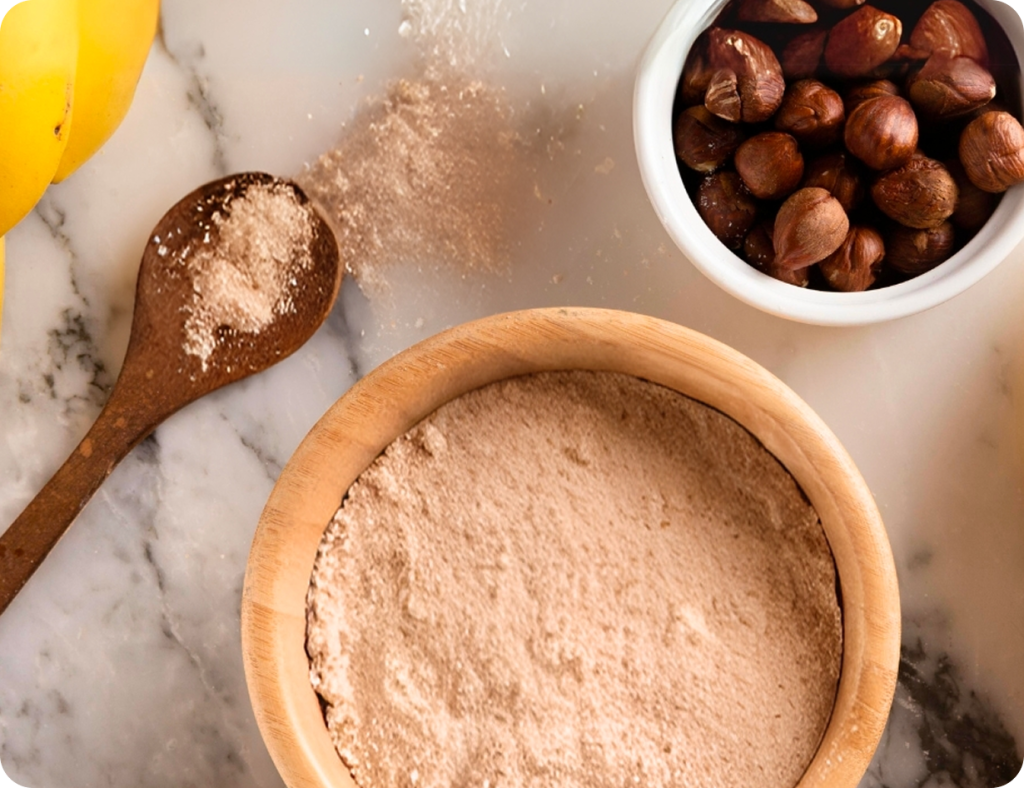
A great example of full product utilization can be found in the circular system for Brazil nuts. These nuts grow in hard-to-reach areas and are generally harvested by local communities. After collection, the kernels are cold-pressed to produce oil used in the preparation and finishing of a variety of dishes. The flour left over from this process is used as an ingredient in foods consumed locally, while the shells are used to fertilize the soil and support organic cultivation. Best of all, the resulting product is functional and nutritious, rich in omega-6 and omega-9, phytosterols, squalene, and naturally occurring vitamins.
Cupuaçu is another example of this approach. Its pulp is used to make juices and jams, while its kernels yield butter used in breads, sweet and savory products. All of this comes from agroforestry cultivation.
The impact of these initiatives is greater than many people might imagine, extending beyond resource recovery, production efficiency, and the development of healthy products. Preserving the areas where these fruits grow also helps prevent deforestation. Another significant benefit of conserving these regions is the reduction in carbon emissions, as tons of carbon are kept from being released into the atmosphere and contributing to global warming.
The circular economy model must also be carefully structured to ensure the long-term survival of species, forests, and even the communities that depend on them. The food industry needs to recognize these positive impacts and support communities that operate in an organized, responsible, and sustainable way.
Finally, circular economy initiatives are aligned with Sustainable Development Goal (SDG) 15, known as “Life on Land.” This goal seeks to protect, restore, and promote the sustainable use of terrestrial ecosystems; sustainably manage forests; combat desertification; halt and reverse land degradation; and stop biodiversity loss.
In addition to SDG 15, the United Nations has established 16 other SDGs, with the aim of implementing universal action by 2030 to end poverty and social inequality and address climate change. Each year, business leaders known as Local SDG Pioneers are recognized for their efforts to advance these goals around the world. In 2016, Ulisses Sabará, President of Sabará Group, was selected in recognition of his efforts to combine nature conservation with benefits for local communities.
*Thaís Hiramoto is a Sustainability Specialist at Concepta Ingredients, a business unit of Sabará Group specializing in natural and technology-driven solutions for the food, beverage, animal nutrition, and veterinary pharmaceutical industries. Since May 2017, Concepta Ingredients has offered the food service market a line of sustainable vegetable oils and butters for hotels, restaurants, and cafés (Horeca).