One solution is to make full use of the coconut by developing new sustainable products and reducing raw material waste.
São Paulo, June 2024 – The global coconut market is facing a deeply concerning situation. Asian countries such as the Philippines, India, and Indonesia have been grappling with an unprecedented crisis in coconut production, driven by factors ranging from climate change, including prolonged droughts and more intense storms, to the emergence of pests and diseases such as lethal yellowing of coconut palms, which can reduce yields and even devastate entire plantations.
In addition, socioeconomic factors, such as limited access to modern agricultural technologies and producers’ limited investment capacity, have also contributed to the worsening situation. All this is happening amid growing global demand, as coconut is a highly versatile ingredient widely used in food, cosmetics, and nutraceuticals.
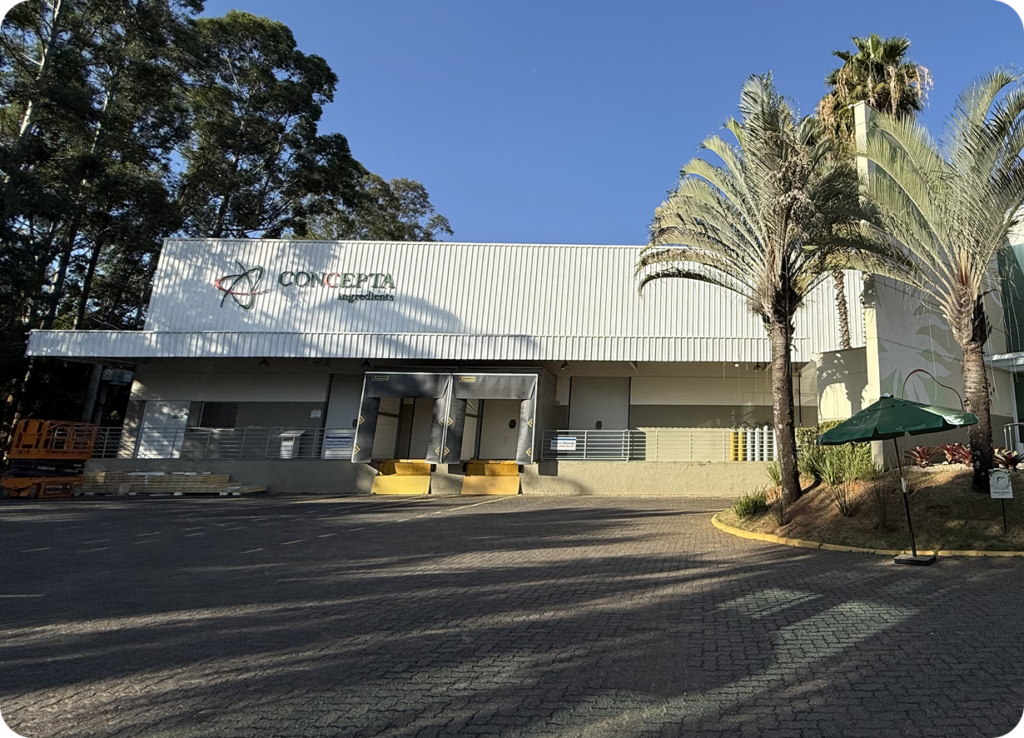
“The cosmetics industry places great value on coconut oil, for example, because of its many sensory benefits. It imparts a subtle sheen and offers medium absorption and spreadability, along with excellent slip and film-forming properties,” says Bruna Merigiolli, Specialist at Concepta Ingredients, the Sabará Group business unit responsible for Research and Development. “In the food industry, coconut is used in many forms, from fresh coconut to coconut milk, coconut oil, coconut water, shredded coconut, and coconut flour in both sweet and savory recipes,” she adds.
Brazil as an Alternative
Against the backdrop of the crisis affecting Asian countries, it is essential for producers to seek alternatives, such as diversifying supply sources, developing resistant varieties, and adopting more sustainable agricultural practices, including a reduction in monoculture farming.
“We should also emphasize that making full use of the fruit can create economic opportunities by generating additional revenue from by-products such as coconut oil,” says Giulia Paciello, ESG Analyst at the Sabará Group. She notes that this practice aligns with the zero-waste concept, which aims to minimize the amount of waste generated during production. “Rather than being discarded, the remaining parts of the fruit are turned into value-added by-products, maximizing the use of natural resources and reducing waste generation.”
The specialist emphasizes that Brazil offers essential alternatives for the global coconut market. These alternatives not only encourage the adoption of new technologies and strengthen the local economy but also help reduce greenhouse gas emissions associated with long-distance transportation.
One example is Concepta Ingredients’ coconut oil. Sourced from responsible domestic production, it helps create value for the Brazilian market and avoids greenhouse gas (GHG) emissions associated with imports and transportation. The company also makes full use of the fruit, putting zero-waste production into practice.
“Key benefits of this sustainable production include the conservation of approximately 10,000 hectares of native forest, which helps sequester and store carbon and, in turn, maintain the region’s microclimate. This initiative also promotes the use of high-productivity practices and techniques that take local biodiversity into account, optimize the use of natural resources, and minimize environmental changes while keeping energy and water consumption low,” Giulia concludes.
About Concepta Ingredients
Concepta Ingredients is part of Sabará Group and specializes in natural and technology-driven solutions developed in accordance with the Bio Abundance Program. Drawing on innovation and research, the company offers organic and conventional ingredients through a business model that empowers families and contributes to the indirect conservation of areas across different Brazilian biomes. Its extensive portfolio includes technologically advanced ingredients from international partners and ingredients sourced from biodiversity, meeting the most specific needs of the industries it serves.
About Sabará Group
With over 67 years of history, Sabará Group is a truly Brazilian company recognized for its ability to innovate and adapt. For three generations, the Group has overcome challenges and established itself in the markets where it operates. Its commitment to the well-being of people around the world goes beyond offering innovative products and services. The Group’s activities take future generations into account, focusing on solutions that ensure sustainability. Through its various business segments, Sabará Group operates throughout Brazil and maintains a presence in countries across South America, North America, and Europe. It specializes in developing high-performance technologies, solutions, and raw materials for water treatment in the sanitation and industrial sectors, animal nutrition and health, and the food and beverage industries. Its products are developed using 100% Brazilian expertise and technology, helping establish Brazil as a benchmark in product research aimed at building a sustainable world.