World Soil Day: The Benefits of Organic Farming
* Giovanna Cappellano
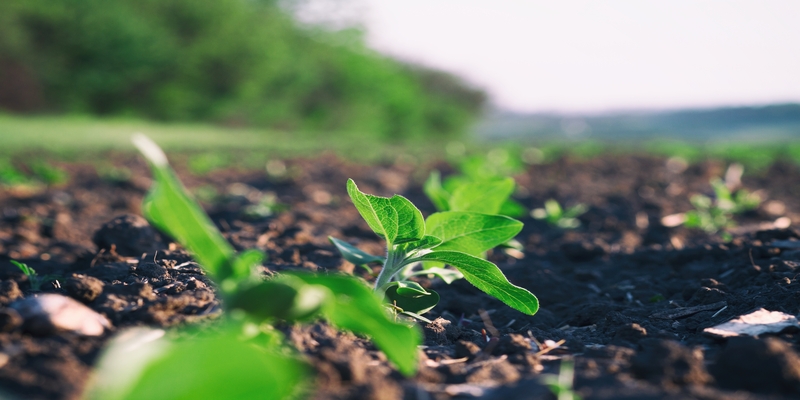
With the aim of raising awareness about the importance of soil conservation, a natural resource essential to the sustainability of life on Earth, December 5 was established by the Food and Agriculture Organization of the United Nations (FAO) as World Soil Day.
One of the ways to conserve soil is through organic farming. Produced without synthetic pesticides, GMOs, and chemical fertilizers, organic farming not only influences the quality of food and the health of consumers but also benefits the health of agricultural workers and the quality of soil, water, vegetation, and local animals, as the techniques used respect the environment.
Discover the six main benefits of organic farming:
1. Absence of pesticides: since synthetic pesticides are not used in organic farming, the productive ecosystem is healthier, from the soil to the food.
2. Quality of life in rural areas: organic crops generate fair employment and income for rural workers, as organic certifications safeguard the basic rights of workers. Thus, organic farming contributes to improving the health and socioeconomic conditions of rural communities.
3. Soil conservation: unlike conventional farming, organic farming aims to conserve soil through more sustainable practices. In this type of farming, everything is reused. For example, fertilization or pest protection can be done using parts of plants. In conventional farming, these parts would be discarded or even burned. This process allows for maintaining soil health and the entire ecosystem involved for more efficient and less aggressive production.
4. Animal welfare: in organic production, animals are fed only organic products and kept in more spacious and less stressful environments, reducing the use of artificial hormones and synthetic antibiotics. With healthier animals and plant-based feed, it is possible to use their excrement as fertilizer. This reduces waste and closes the cycle.
5. Promotion of biodiversity: soil conservation and the absence of pesticides help preserve birds, insects, animals, as well as fungi and bacteria present in the soil, which are important for the growth of regional vegetation and the maintenance of ecosystems.
6. Carbon capture: maintaining soil health helps ensure that carbon sequestered by plants remains trapped in the soil. As carbon dioxide is removed from the atmosphere, environmental impact is minimized.
How Concepta Ingredients promotes the adoption of organic and sustainable agricultural practices
Concepta Ingredients, a business unit of Grupo Sabará, has for years worked to deliver organic and sustainable products with guaranteed traceability, health benefits, texture, and flavor, which can generate value for clients, suppliers, communities, employees, and shareholders, thereby encouraging other companies to also engage in actions aligned with sustainable and responsible progress. Furthermore, its production chain is aligned with the values advocated by the UN, especially regarding the Sustainable Development Goals (SDGs) 15 (Life on Land) and 12 (Responsible Consumption and Production).
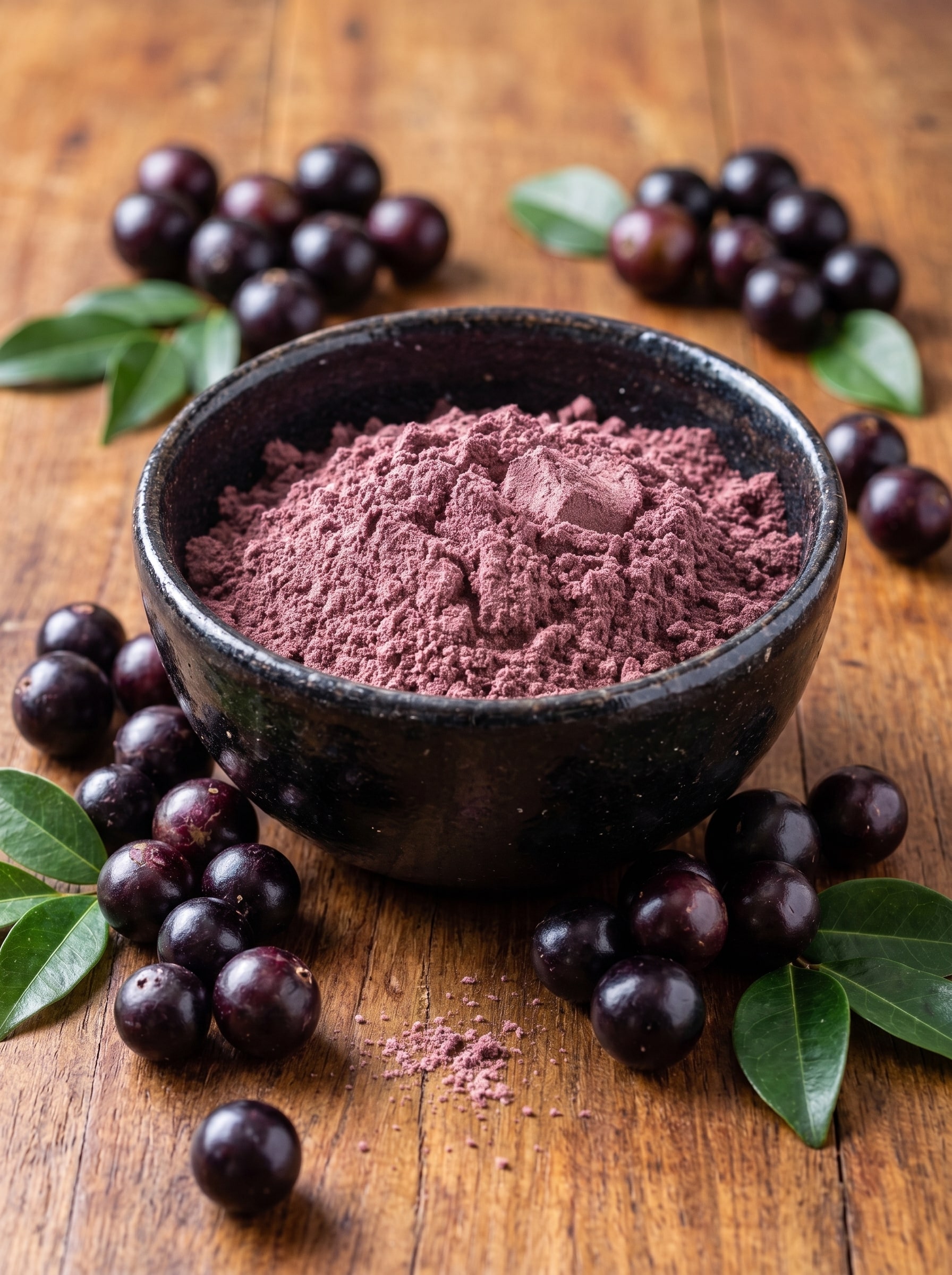
Concepta’s portfolio of organic and exotic ingredients includes 12 products, of which 66.66% hold Brazilian organic certification (BR), and 83.33% have organic certification from EOS (European Union) and NOP (United States). The considered product list includes: Licuri (oil), Babaçu (oil), Passion Fruit (oil), Patauá (oil), Cupuaçu (butter), Brazil Nut (oil), Coconut (oil), Sancha Ichi (oil), and recently, Açaí (oil, extract, powder, and syrup).
The launch of Açaí Extract and Syrup directly contributes to socioeconomic development in the Amazon and indirectly impacts approximately 5,072 families who depend on the cultivation and harvesting of açaí, which produces four açaí products (extract, syrup, powder, and oil). These families operate on 1,610 hectares of conserved area, with 1,079,430 hectares of organic land under conservation.
Moreover, Grupo Sabará is globally recognized for its Sociobiodiversity Valorization Program®️, created in 2000, which guarantees full traceability of raw materials sourced from the Amazon Rainforest, Cerrado, and Caatinga biomes. The project focuses on engaging communities, cooperatives, and associations supplying biodiversity inputs through initiatives based on four pillars: balanced human development, water and biodiversity conservation, ethics and transparency, and adequate profitability, promoting respect, dignity, and socioeconomic inclusion.
The results achieved are:
● Over 1.9 million hectares of organic land conserved indirectly through the valorization of non-timber forest products;
● More than 6,000 rural workers, including quilombola and indigenous communities, potentially engaged in Concepta’s supply chain;
● 227 hectares of native forest certified organic through direct incentives from Concepta, representing approximately 256 soccer fields of preserved area;
● Over 27,000 people indirectly impacted by this relationship;
● An average additional income of R$ 7,500 per ton per family per year.
* Giovanna Cappellano is the ESG area coordinator at Grupo Sabará, a company with 65 years of history that offers sustainable technologies, solutions, and high-performance raw materials for the water treatment, food and beverage, nutrition, and animal health markets.
About Grupo Sabará
Grupo Sabará, with over 65 years of history, is genuinely Brazilian and recognized for its capacity for innovation and adaptation. For three generations, the Group has overcome challenges and stood out in its markets. Its commitment to the well-being of people worldwide goes beyond offering innovative products and services. Its activities consider future generations, focusing on solutions that ensure sustainability.
Through its various business segments, Grupo Sabará operates throughout Brazil and has a presence in countries in South America, North America, and Europe.
It specializes in developing technologies, solutions, and high-performance raw materials aimed at the water treatment market in sanitation and industry, nutrition and animal health, and the food and beverage industries.
The development of its products relies on 100% national knowledge and technology, a factor that contributes to Brazil becoming a reference in product research for a sustainable world.