Healthy Consumption Habits Drive the Appreciation of Brazilian Biomes
By Lilia Kawazoe
The organic sector, which includes both fresh and processed foods, cosmetics, and textile products, reached a revenue of R$3.5 billion in 2017, R$500 million higher than the previous year. These figures, gathered by the Brazilian Council for Organic and Sustainable Production (Organis) and released in the second half of 2018, demonstrate the sector’s year-over-year growth, driven by changing consumption habits among Brazilians who increasingly seek healthy, organic, natural, and flavorful items.
Health-related concerns are the primary motivation for about 60% of people who adopt organic diets. To purchase these products, 64% of consumers consider supermarkets their main point of sale, with flavor being the most decisive factor for 15% of this audience.
This growth presents promising opportunities not only for the agricultural sector but also for the entire food industry chain, from manufacturers delivering products to consumers to producers of organic ingredients.
One of the innovative ingredients available to the food industry is organic oils. Mostly derived from Brazilian biodiversity, they are developed by companies with strong socio-environmental commitment and responsibility. The result of extensive research and technology, these oils can be used in the preparation of various products, including breads, cakes, cereals, sweets, mayonnaise, and supplements.
Always ensuring greater flavor and health benefits for the end consumer, organic oils from companies like Concepta Ingredients are developed and produced in partnership with local communities and cooperatives, always adhering to sustainable principles and respecting, above all, seasonal variations and the full involvement of local peoples.
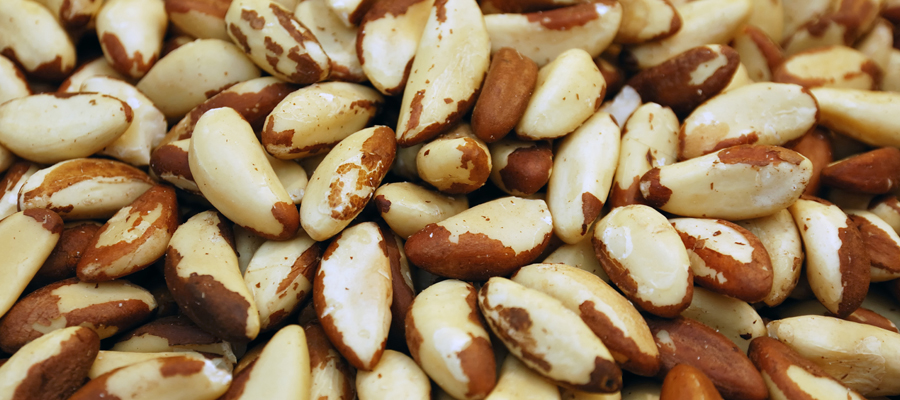
Concepta is a company aligned with the values advocated by the United Nations (UN) and guarantees products that protect the environment, developed from trees and fruits of three Brazilian biomes (Amazon, Caatinga, and Cerrado). In this industry, Organic Brazil Nut Oil, for example, is produced from the fruits of one of the largest trees in the forest, often found in hard-to-reach locations. The oil is produced by the first cold pressing of the best-selected nuts and is an important source of omegas 6 and 9, phytosterols, and squalene.
Another example of Brazilian organic oil is Licuri Coconut Oil, derived from a tree called licurizeiro, one of the main native palm trees of the Brazilian semi-arid region, especially common in the Caatinga. It is a fundamental provider of subsistence resources for local communities as it withstands droughts, flowering, and fruiting over a long period of the year. Extracted by cold pressing the licuri seed, this oil contains omega 9, lauric acid, myristic acid, and phytosterols, as well as naturally occurring vitamins.
Also highlighted by Concepta Ingredients is Organic Sacha Inchi Oil. Cultivated by the Incas thousands of years ago, the sacha inchi vine is a Euphorbiaceae native to the Amazon rainforest. It is one of the main sources of plant polyunsaturated fatty acids, omega 3, as well as phytosterols and natural vitamins.
* Lilia Kawazoe is the commercial manager at Concepta Ingredients, a business unit of the Sabará Group dedicated to developing natural and technological solutions focused on the healthy and organic food industries.