Circular Economy Applied in the Food Industry
*Thaís Hiramoto
Have you heard about the circular economy? It is a concept that integrates sustainable development with economic aspects, inspired by economic permaculture or, simply, the green economy. But what does this mean? The model advocates the idea that everything originating from nature, at the end of its useful life, should return to it, causing the least possible environmental impact and in a way that increases overall productive efficiency.
The circular economy can be applied in many areas of society, but the food industry plays a key role within this context. This sector is responsible for connecting the field with the final consumers, so that products are fully utilized – that is, of course, when economic permaculture is put into practice.
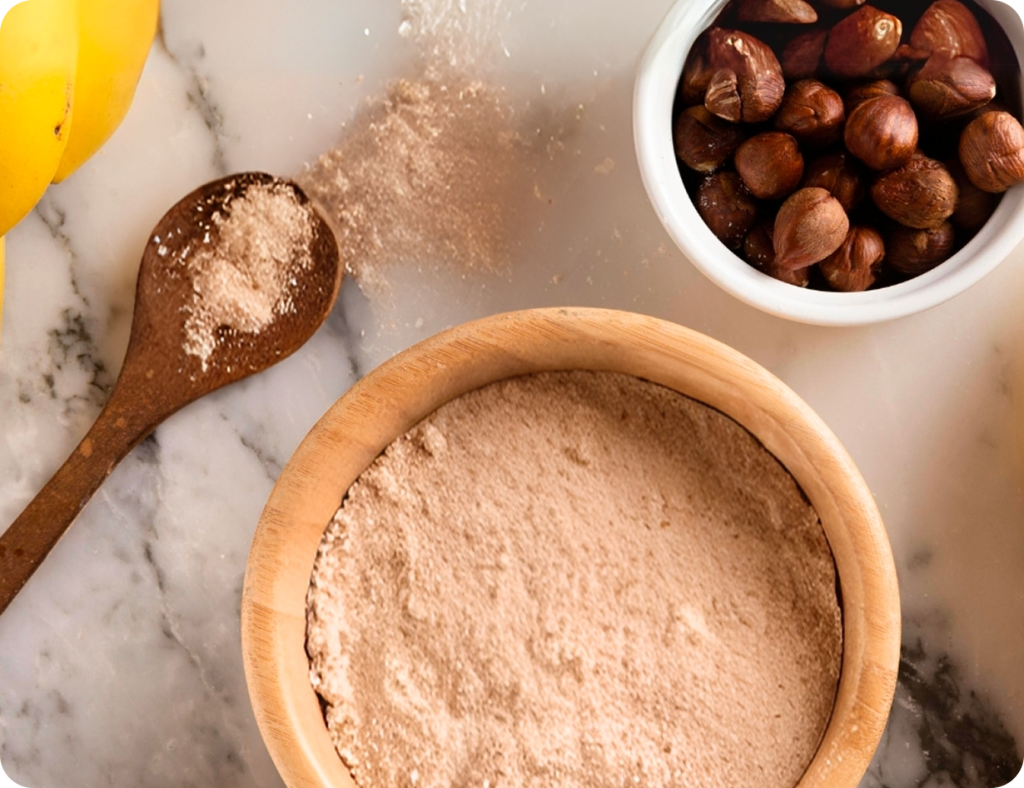
A great example of total product utilization occurs in the circular system of the Brazil nut, a fruit found in hard-to-reach locations and generally collected by local communities. After harvesting, the almonds undergo cold pressing, which produces the oil used in the preparation and finishing of various dishes. The flour resulting from the process is an ingredient for foods consumed locally. The shell is used for soil fertilization and the entire organic cultivation process. And best of all: the final product is functional, healthy, rich in omegas 6 and 9, phytosterols, squalene, and natural vitamins.
Another fruit that can be considered an example is cupuaçu, from which the pulp is extracted for use in juices and jams. The almond yields butter used in breads, sweets, and savory products, all under agroforestry cultivation.
The impact of all these efforts is greater than people might imagine; it goes beyond the productivity of reuse and a healthy product. The preservation of the areas where these fruits are located also helps reduce deforestation of the forest. Another positive outcome of conserving these regions relates to the tons of carbon emissions avoided in the atmosphere, which contribute to global warming.
The circular economy model also needs to be organized to maintain the perpetuation of species, forests, and even people. It is important that the food industry embraces all these positive effects and contributes to communities that operate in an organized, responsible, and sustainable manner.
Finally, it is worth mentioning that the entire circular economy initiative aligns with Sustainable Development Goal (SDG) number 15, related to the theme “Life on Land,” which seeks to protect, restore, and promote the sustainable use of terrestrial ecosystems; sustainably manage forests; combat desertification; halt and reverse land degradation; and halt biodiversity loss.
In addition to this, 16 other SDGs have been implemented by the UN, with the purpose of universally applying, by 2030, actions that contribute to ending poverty, social inequality, and combating climate change. To promote them worldwide, business leaders known as Local SDG Pioneers are recognized annually. Ulisses Sabará, president of Grupo Sabará, was selected in 2016 for his efforts to combine nature conservation with benefits for local communities.
* Thaís Hiramoto is a sustainability specialist at Concepta Ingredients, a Business Unit of Grupo Sabará specialized in developing natural and technological solutions focused on the food, beverage, animal nutrition, and veterinary pharmaceutical industries. Since May 2017, Concepta Ingredients has offered the food service market a line of sustainable butter and vegetable oils, targeted at hotels, restaurants, and cafes (Horeca).